

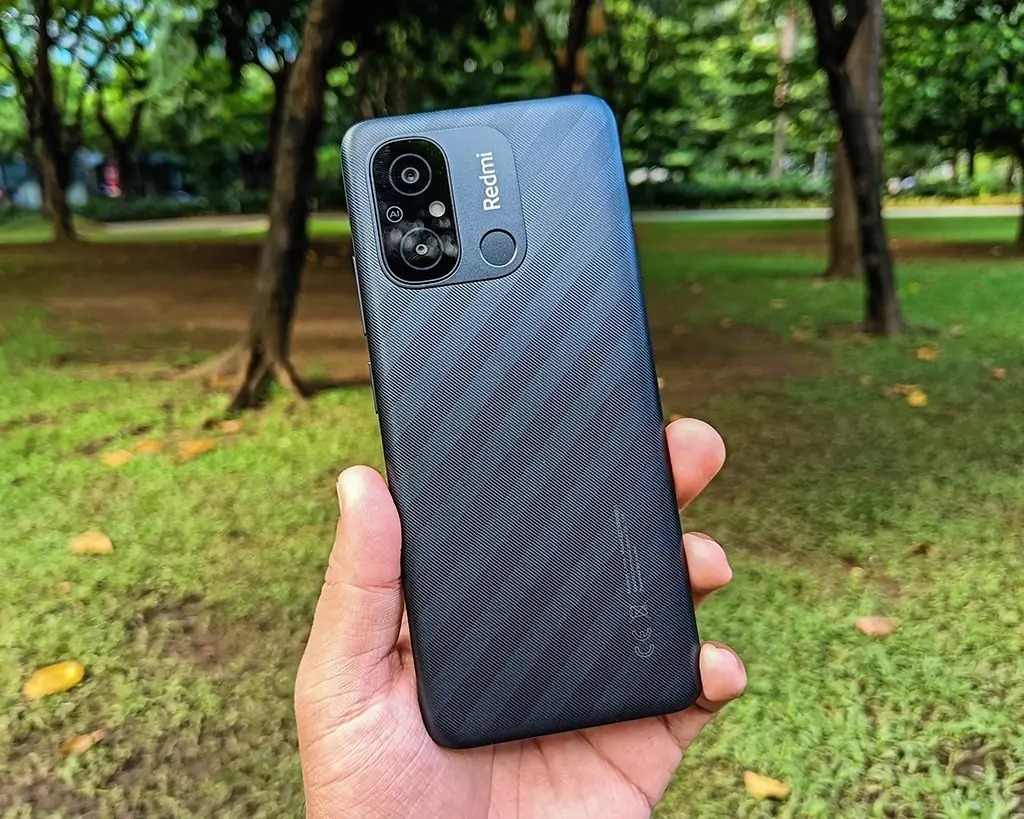
Before you flash: Flashing firmware will erase all data on your device. Back up contacts, photos, and apps before proceeding. FlashGuideHub is not responsible for any damage caused by following this guide.
About the Redmi 12C / POCO C55
The Redmi 12C / POCO C55 (codename: earth) is Xiaomi's budget MediaTek platform, sold under two different retail names but built on identical hardware and the same October 2022 (Redmi 12C) / January 2023 (POCO C55) chipset. The Redmi 12C launched first, with the POCO C55 following a few months later as a rebadge with a slightly different charging speed.
Because both names run the same firmware tree, a fastboot ROM built for one name flashes correctly on the other. The Prerequisites section below explains how to confirm your exact regional variant before downloading anything.
Which Flash Mode Should You Use?
Mi Flash Tool (Fastboot ROM)
The standard route for earth. Mi Flash Tool runs the bundled flash_all script from Xiaomi's official regional package, writing bootloader, system, and vendor partitions in one pass. Requires an unlocked bootloader and formats user data during the write.
Manual ADB / Fastboot Commands
Run individual fastboot flash commands from Platform Tools rather than the Mi Flash Tool interface. Useful for reflashing one partition after a bad region switch, but you are responsible for getting the partition order right yourself.
SP Flash Tool (MediaTek Emergency Path)
For earth units that no longer boot into Fastboot at all, SP Flash Tool can rewrite the eMMC using an authorized preloader and the matching scatter file. This is the only path that can rebuild a damaged or missing partition table.
What You Need Before Flashing
Mi Flash Tool's interface only runs on Windows. Download it and the Xiaomi USB driver package from Xiaomi's developer site before starting.
Turn on OEM Unlocking in Developer Options, bind your Mi Account, then run Mi Unlock Tool from a PC. Approval can take longer on new accounts.
Check Settings → About Phone for your build string and match the suffix — SCVMIXM for Global, SCVEUXM for EEA, SCVINXM for India.
Fastboot needs a genuine data connection. Use the cable that shipped with the phone, connected directly into a rear PC port rather than a hub.
earth's eMMC storage writes more slowly than UFS, so the flash runs longer. Charge to at least 60% and keep the cable connected the whole time.
Both the account-bind step for unlocking and the flash itself wipe internal storage. Move everything to cloud storage, a PC, or a microSD card first.
How to Flash the Redmi 12C / POCO C55 — Quick Overview
These 7 steps are tailored to the Redmi 12C / POCO C55 (Helio G85). For screenshots, an interactive checklist, and troubleshooting, open the full Mi Flash Tool guide.
-
Confirm the board answers to earth in Fastboot
-
Unlock the bootloader through Mi Unlock Tool
-
Match the build string to a regional fastboot ROM
-
Install MediaTek/Xiaomi USB drivers and open Mi Flash Tool
-
Extract the .tgz and select the top-level folder in Mi Flash Tool
-
Wait through the full flash without disconnecting the cable
-
Verify IMEI, SIM signal, and storage size after first boot
Finding the Firmware Package for MT6769V/CU
Xiaomi ships earth firmware as a regional fastboot archive (.tgz). Once fully extracted, the folder Mi Flash Tool needs contains a top-level flashing script alongside the partition images:
flash_all.bat
This script lives inside the extracted fastboot ROM. After decompressing the .tgz, find flash_all.bat (Windows) or flash_all.sh (Linux/Mac) at the top level, next to an images folder holding the individual partition files. Extract fully to a folder on your PC first — running the script from inside the compressed archive will not work.
earth's regional branches use their own suffix — SCVMIXM for Global, SCVEUXM for EEA, and SCVINXM for India — and each carries default apps and carrier settings tuned to that market rather than any hardware difference.
Inside the extracted .tgz, flash_all.bat (Windows) and flash_all.sh (Linux/Mac) sit at the top level next to an images folder holding the individual partition files. Point Mi Flash Tool's Select field at the top-level folder, not the images subfolder, then click Flash.
Because earth uses eMMC storage instead of UFS, the flash itself and the first boot afterward both take longer than on a flagship Xiaomi device — this is expected behavior for this storage type, not a sign of a stalled flash.
Redmi 12C / POCO C55 Firmware Versions
Known stock MIUI fastboot ROM releases for the Redmi 12C / POCO C55. Confirm the regional suffix matches your device before flashing.
| Version | Region | Android Version | Size | MD5 | Download |
|---|---|---|---|---|---|
V13.0.4.0.SCVMIXM |
Global (MI) u2014 MIUI 13 (Android 12) | — | 2.6 GB | — | ⬇️ Download |
V13.0.6.0.SCVEUXM |
EEA (EU) u2014 MIUI 13 (Android 12) | — | 2.6 GB | — | ⬇️ Download |
V13.0.3.0.SCVINXM |
India (IN) u2014 MIUI 13 (Android 12) | — | 2.6 GB | — | Link pending |
More regional builds and recoveries for earth → View the source listing on AndroidFirmwareFile.com →
Redmi 12C / POCO C55 — Important Notes
earth is Xiaomi's budget MediaTek platform behind both the Redmi 12C and POCO C55, and the two phones share an identical firmware tree despite different retail branding. If a ROM works on one name, it works on the other, since fastboot only checks the underlying codename.
Because earth uses MediaTek's Helio G85 rather than a Qualcomm chipset, the emergency recovery path for a bricked unit is SP Flash Tool with an authorized preloader and scatter file, not EDL/QFIL. Mi Flash Tool assumes the eMMC partition table is already intact, so a corrupted table needs SP Flash Tool's Format + Download mode instead.
Common Errors on the Redmi 12C / POCO C55
Mi Flash Tool device list stays empty with earth in Fastboot mode
Check Device Manager on the PC — if earth shows as an unrecognized device rather than an Android Bootloader Interface, the Xiaomi USB driver did not install correctly for this MediaTek chipset. Reinstall the driver package, switch to a rear motherboard USB port, and confirm the cable supports data, not just charging.
FAILED (remote: 'Command not allowed')
earth's bootloader is still locked and is refusing the partition write. Check Developer Options for a confirmed "Bootloader unlocked" status. On this budget tier, Mi Unlock Tool sometimes reports the account bind as complete while the server-side approval timer is still counting down in the background — wait for the tool's own countdown to reach zero before retrying.
flash failure result: FAILED (remote: 'Partition table doesn't exist')
The eMMC's GPT partition table is missing or corrupted, often from an earlier interrupted flash. Mi Flash Tool cannot rebuild a partition table on its own; this needs SP Flash Tool with the correct earth scatter file and preloader in Format + Download mode instead.
ERROR: too many links / hub.c:xxx (Device is not authorized to run Fastboot)
This USB negotiation error appears on earth when connected through a USB hub or a cable that only carries power. Connect the phone directly to a rear PC port with a USB-C data cable, and avoid USB 3.0 hubs that some MediaTek Fastboot implementations don't negotiate with reliably.
Phone stuck on the "Redmi" or "POCO" boot logo after flashing
A boot logo hang usually means the eMMC write was interrupted before every partition finished, common on earth given its slower storage speed. Hold Volume Down + Power for about 10 seconds to force back into Fastboot, reselect the same extracted ROM folder in Mi Flash Tool, and run the full flash type again without disconnecting the cable this time.
For the full firmware error database: Fastboot Error Directory →
Frequently Asked Questions — Redmi 12C / POCO C55
Yes. Both phones share the earth codename and the same underlying fastboot ROM tree, so a regional package built for one name works on the other. The retail branding differs, but the partition layout and firmware branch are identical.
No, if the microSD card is used purely as removable storage rather than adopted as internal storage. Mi Flash Tool only writes to the phone's internal eMMC partitions. If the card was ever set up as adopted storage, treat it as internal and back it up separately before flashing.
earth uses eMMC 5.1 storage rather than the UFS storage found on pricier Xiaomi models, and eMMC writes at a noticeably slower sustained speed. A full fastboot flash on earth commonly takes several minutes longer than the same operation on a UFS-equipped device — this is normal and not a sign of a failing flash.
This points to a scrambled or missing GPT partition table on the eMMC, usually from a previous failed flash or a bad third-party ROM. Recovery normally requires SP Flash Tool with an authorized preloader and scatter file rather than Mi Flash Tool alone, since Mi Flash Tool assumes an intact partition table already exists.
Ready to Flash?
Follow the full step-by-step Mi Flash Tool guide with interactive progress tracking, prerequisite checklist, and complete troubleshooting.