

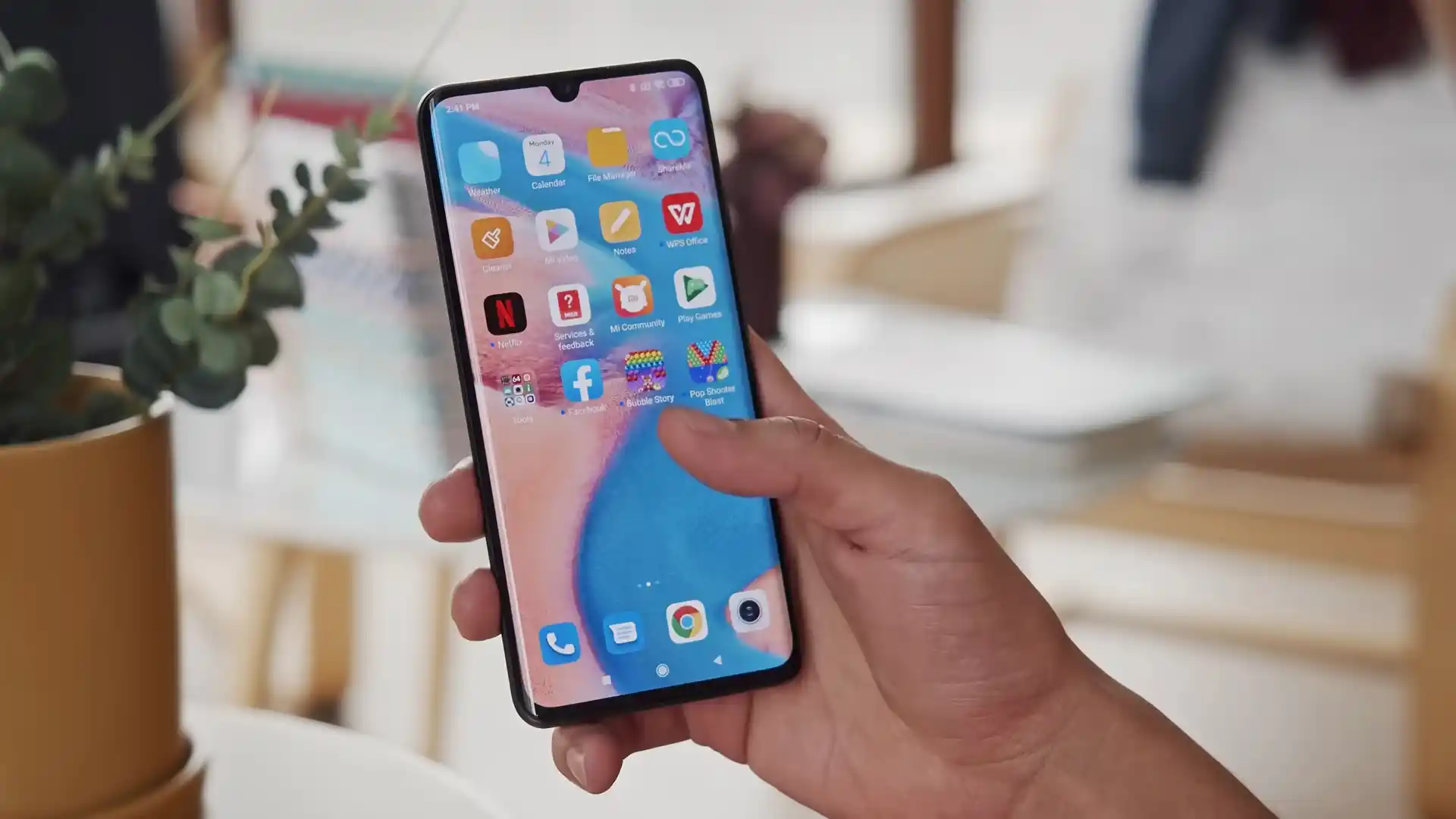
Before you flash: Flashing firmware will erase all data on your device. Back up contacts, photos, and apps before proceeding. FlashGuideHub is not responsible for any damage caused by following this guide.
About the Xiaomi Mi Note 10 / Mi Note 10 Pro / Mi CC9 Pro
The Xiaomi Mi Note 10 / Mi Note 10 Pro / Mi CC9 Pro was released in November 2019 on the Qualcomm Snapdragon 730G SM7150-AB (8nm, 64-bit Octa-core: 2x 2.2 GHz Kryo 470 Gold + 6x 1.8 GHz Kryo 470 Silver) platform. Featuring a 6.47-inch 3D curved AMOLED screen, a pioneering 108 MP penta-camera array, and a 5260mAh battery with 30W fast charging, the device delivered flagship photography capabilities across global and regional markets.
Flashing official factory Fastboot firmware using Xiaomi Mi Flash Tool repairs corrupted system partitions, fixes persistent bootloops, and restores official MIUI stability. Follow the verified steps below to flash your device safely.
Which Flash Mode Should You Use?
Fastboot Mode (Bootloader Flashing)
Official flashing interface for bootloader-unlocked handsets. Writes partition blocks via Mi Flash Tool or flash_all.bat scripts.
Custom Recovery Mode (OrangeFox / TWRP)
Interface for flashing community custom ROMs (such as Xiaomi.eu), ZIP mods, or performing partition-level storage wipes.
Stock Recovery / Local Update
Official on-device recovery method for installing signed regional MIUI update packages without a PC.
Qualcomm HS-USB QDLoader 9008 (EDL Mode)
Emergency download mode accessed via motherboard test points. Requires authorized Xiaomi service credentials on Snapdragon 730G.
Essential Equipment & Mi Flash Requirements
A PC running 64-bit Windows with Xiaomi Mi Flash Tool and official Qualcomm USB drivers installed.
Download and unpack the official tucana Fastboot archive twice with 7-Zip until flash_all.bat is visible.
Ensure the 5260mAh battery has at least 50% charge to ensure stable power delivery throughout the flashing process.
Connect an authentic USB Type-C data cable directly into a rear USB 2.0 port on the computer motherboard.
In Mi Flash Tool, select "clean all" at the bottom right. Never select "clean all and lock" on cross-regional devices.
5-Step Mi Flash Walkthrough for Mi Note 10 Series
A condensed step-by-step summary specific to the Xiaomi Mi Note 10 / Mi Note 10 Pro / Mi CC9 Pro. Follow the full Mi Flash Tool guide for screenshots, an interactive progress checklist, and complete troubleshooting.
-
Extract tucana_eea_global_images_V13.0.2.0.RFDEUXM TGZ twice with 7-Zip
-
Power down handset and hold Volume Down + Power until orange Fastboot logo appears
-
Connect phone to rear motherboard USB 2.0 port to prevent Snapdragon 730G transfer drops
-
Load firmware root folder in Mi Flash Tool and select "clean all" (flash_all.bat)
-
Click Flash and allow 5 to 10 minutes on initial boot as Android 11 encryption initializes
Fastboot Rawprogram XML & Firmware Package for SM7150
Official Fastboot firmware packages for the Xiaomi Mi Note 10 / Mi Note 10 Pro / Mi CC9 Pro (tucana) contain raw partition images (boot, system, vendor, cust, and modem) indexed through rawprogram0.xml and executed using flash_all.bat. When flashed through Xiaomi Mi Flash Tool, these scripts write partition blocks directly to the Snapdragon 730G UFS 2.1 flash storage controller.
rawprogram0.xml
Official factory Fastboot firmware for the Xiaomi Mi Note 10 series utilizes rawprogram0.xml and patch0.xml executed through flash_all.bat. In Mi Flash Tool, select the root extracted folder containing these scripts.
The Xiaomi Mi Note 10 series (codename tucana) includes model M1910F4G (Mi Note 10 Global), M1910F4S (Mi Note 10 Pro Global), and M1910F4E (Mi CC9 Pro China), all powered by the Qualcomm Snapdragon 730G processor with a 5260mAh battery.
Always confirm your hardware codename is "tucana" before flashing. Do not attempt to flash firmware intended for the Mi Note 10 Lite (codename toco), as toco uses a different 64 MP Sony IMX686 sensor and alternate display hardware that will prevent normal startup.
Xiaomi Mi Note 10 / Mi Note 10 Pro / Mi CC9 Pro Firmware Versions
Tested stock firmware packages for the confirmed hardware variants of the Xiaomi Mi Note 10 / Mi Note 10 Pro / Mi CC9 Pro. Always confirm your model codename is "tucana" before flashing.
| Version | Region | Android Version | Size | MD5 | Download |
|---|---|---|---|---|---|
V13.0.2.0.RFDEUXM (20220903) |
EEA / Europe Stable (EUXM) | Android 11.0 (MIUI 13) | 4.62 GB | 74d3f99bd8ad81f0fc4abde2909d02ba |
⬇️ Download |
V13.0.2.0.RFDMIXM (20220908) |
Global Stable (MIXM) | Android 11.0 (MIUI 13) | 4.57 GB | feef0e8faf004f5aa3bd9b0f7c4a65be |
⬇️ Download |
V13.0.4.0.RFDCNXM (20220825) |
China Stable (CNXM) | Android 11.0 (MIUI 13) | 4.59 GB | 0e8c6416d9e0ee3b852cf6d7633a3be0 |
⬇️ Download |
V13.0.4.0.RFDCNXM (v13-11) |
Xiaomi.eu Multilingual (Recovery ZIP) | Android 11.0 (MIUI 13) | 3.11 GB | b92dc0194b7fe8d39f5cb1e70dc2dd36 |
⬇️ Download |
This device family includes 15 verified packages across EEA, Global, China, Russia, Indonesia, Xiaomi.eu, TWRP, and OrangeFox recovery releases. Browse the complete 15-package archive on AndroidFirmwareFile.com →
Snapdragon 730G Partition Layout & Hardware Notes
Flashing official Fastboot firmware through Xiaomi Mi Flash Tool using the verified tucana_eea_global_images_V13.0.2.0.RFDEUXM_20220903.0000.00_11.0_eea_74d3f99bd8.tgz package unbricks devices caught in bootloops, corrects system errors after failed updates, and restores factory MIUI stability.
Because the Qualcomm Snapdragon 730G chipset requires authorized Xiaomi service credentials for EDL 9008 emergency flashing, maintaining an unlocked bootloader and keeping Fastboot mode functional remains your primary restoration path.
Troubleshooting Xiaomi Mi Note 10 Series (tucana) Flashing & Mi Flash Errors
Fastboot AVB 2.0 Bootloop: "dm-verity corruption - Your device is corrupt and cannot be trusted"
Community discussions indicate this failure occurs when custom recoveries or modified system images are booted alongside the stock MIUI kernel without disabling Android Verified Boot. Flashing a patched vbmeta image using the command fastboot --disable-verity --disable-verification flash vbmeta vbmeta.img bypasses dm-verity checks and restores normal boot.
Archive Extraction Error: "cannot load 'system.img': No such file or directory"
Experienced owners observe this error when users extract the downloaded .tgz file only once. The outer .tgz archive contains an inner .tar container. If the inner tar is not unpacked with 7-Zip, flash_all.bat cannot find the images folder. Unpacking both archive layers to a clean root folder like C:\tucana_fw resolves the issue.
Custom Recovery Mount Failure: "Failed to mount '/data' (Invalid argument) - FBE Encryption Lock"
Forum members report this error when booting legacy TWRP or standard OrangeFox on Android 11 MIUI 13. Because stock firmware enforces File-Based Encryption (FBE), custom recoveries must format the data partition (typing "yes" in the wipe menu) before internal storage can be decrypted and mounted for custom ROM installations.
For in-depth Xiaomi Fastboot error codes, EDL testpoint pinouts, and driver troubleshooting: Mi Flash Tool Error Directory →
Workshop Flashing & Troubleshooting FAQ
On the Snapdragon 730G platform, Qualcomm Emergency Download (9008) mode enforces Xiaomi server authentication. If a device drops into EDL mode following a severe partition failure or interrupted flash, standard Mi Flash flashing is blocked without authorized service account tokens. Experienced owners recommend holding Volume Down and Power together for 15 to 20 seconds to force the phone out of 9008 handshake mode back into the standard Fastboot bootloader before pursuing motherboard EDL service.
The persist partition on the Mi Note 10 and Note 10 Pro stores unique hardware calibration tables for the 108 MP penta-camera array and the optical under-display fingerprint sensor. Erasing or flashing generic persist images corrupts these sensor calibrations permanently. Official flashing with Mi Flash Tool using the "clean all" option safely leaves persist intact, ensuring camera autofocus baselines and biometric scanning remain fully functional.
Android Verified Boot 2.0 checks partition hashes against cryptographic keys stored in vbmeta. When booting custom recoveries (such as TWRP or OrangeFox) alongside stock MIUI kernels, dm-verity triggers a bootloop unless verified boot is explicitly disabled. Flashing a patched vbmeta image with verification flags disabled allows custom recovery kernels to boot without tripping dm-verity verification halts.
The Snapdragon 730G Fastboot interface is known to encounter USB communication timeouts on certain third-party USB 3.0 controllers and AMD Ryzen USB chipsets during large sparse system partition writes. Community members recommend plugging the USB Type-C cable into a native USB 2.0 socket located directly on the PC motherboard rear panel to ensure uninterrupted data transfer throughout the flash routine.
Ready to Flash?
Follow the full step-by-step Mi Flash Tool guide with interactive progress tracking, prerequisite checklist, and complete troubleshooting.